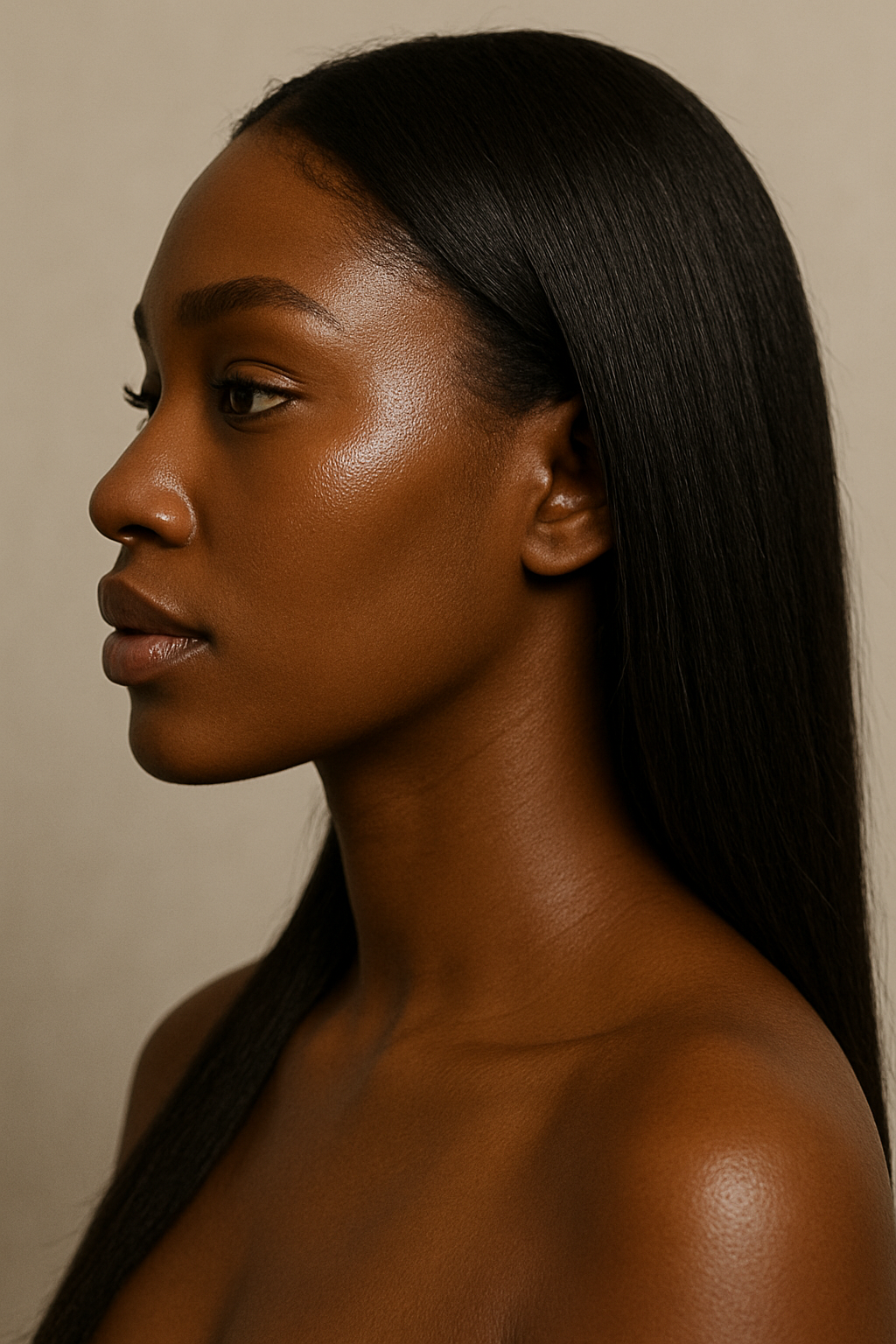
6 Steps Glass Skin Care Routine for Black Women: The Exact Guide to Achieve a Smooth, Reflective Glow
“Glass skin” has become one of the most talked-about beauty trends over the last few years. The term was popularized by Korean skin care experts to describe skin that looks clear, luminous, hydrated, poreless, and almost reflective—like a pane of glass. While the look originally came from K-beauty routines, black women worldwide have adopted and customized it to meet the unique needs of melanin-rich skin.
But here’s the truth: you do not need a 12-step routine, expensive products, or complicated techniques to get a glass-skin effect. What you need is consistency, hydration-focused products, and a method that supports the natural structure of melanated skin. Black skin tends to be more prone to hyperpigmentation, dryness, and uneven texture, so the best glass-skin routine must prioritize moisture balance, barrier support, and even-tone maintenance.
This guide breaks down the 6 steps glass skin care routine for black women, offering a clear, streamlined method that works. No fluff, no long-winded explanations—just a practical process you can actually follow.
Why Glass Skin Looks Different on Black Skin (and Why That’s Perfect)
Before diving into the steps, it’s important to understand how “glow” works on dark skin.
Melanin-rich skin reflects light differently. Instead of the bright shine seen on lighter tones, black women naturally get a deeper, more dimensional glow. When properly hydrated and exfoliated, the skin takes on a glossy, mirror-like radiance that’s equally striking.
The goal isn’t to lighten your skin or chase unrealistic K-beauty ideals. The goal is to make your natural complexion look its smoothest, softest, and most hydrated.
For black women, glass skin equals:
- Even tone
- Deep hydration
- Reduced texture
- Soft, smooth surface
- Healthy, lit-from-within sheen
The 6 steps below are designed specifically to support that result.
THE 6 STEPS GLASS SKIN CARE ROUTINE FOR BLACK WOMEN
Step 1: Double Cleanse to Create a Smooth Base
Glass skin begins with clean skin—not stripped skin, not squeaky skin, but refreshed and hydrated skin that’s free of buildup.
Why this matters for black women
Black skin is more prone to dryness and needs cleansers that remove impurities without disturbing the moisture barrier. Harsh cleansers can trigger irritation, leading to hyperpigmentation. A double-cleanse system keeps the skin clear while maintaining suppleness.
How to do it
1. Oil-based cleanser:
This melts makeup, sunscreen, and excess oil without tugging at the skin. It also helps dissolve sebum-blocking congestion around the nose and chin.
2. Water-based gentle cleanser:
Follow with a hydrating gel or cream cleanser that removes leftover impurities without stripping.
Quick tips
- Avoid sulfates and harsh foaming cleansers.
- Choose formulas with ceramides, hyaluronic acid, glycerin, or soothing botanicals.
- Use lukewarm—not hot—water to avoid overdrying.
This step lays the groundwork for light-bouncing, glossy skin.
7 BEST CREAMS FOR FAIRNESS AND GLOWING SKIN
Step 2: Exfoliate to Minimize Texture and Brighten Tone
Texture blocks light. To get the glass-skin look, you need smooth surface clarity. That’s where controlled exfoliation comes in.
Why this matters for black women
Dead skin buildup appears more prominently on dark skin, dulling radiance. However, aggressive exfoliation can lead to inflammation and dark spots. The key is a gentle, consistent method—not scrubbing your face raw.
How to exfoliate correctly
Use chemical exfoliants, not physical scrubs. Chemical exfoliation dissolves dead cells evenly and safely.
The best options for black women include:
- AHAs (glycolic or lactic acid): Brighten tone and smooth texture.
- BHAs (salicylic acid): Clean inside pores and prevent acne marks.
- PHA (polyhydroxy acids): Very gentle; ideal for sensitive skin.
Routine schedule
- 2–3 times a week, depending on your skin type.
- Never exfoliate daily if you’re going for a long-term glow.
What this step accomplishes
- Minimizes texture
- Reduces dullness
- Helps products absorb better
- Promotes a more even tone
This step is essential because glass skin requires clarity, not just moisture.
13 BEST BODY OIL FOR HARMATTAN IN NIGERIA
Step 3: Tone and Rehydrate the Skin
Toners today are not what they used to be. They’re no longer drying, alcohol-heavy astringents. Modern toners rehydrate, prep, and soften the skin.
Why this matters for black women
Black skin often loses moisture faster. A hydrating toner (also called an essence or skin softener) replenishes water and helps the next products penetrate deeper.
What to look for
Choose a toner that includes:
- Hyaluronic acid
- Niacinamide
- Glycerin
- Aloe vera
- Centella asiatica
- Amino acids
Avoid toners with:
- Alcohol
- Witch hazel (if your skin is sensitive)
- Fragrance (if you’re prone to irritation)
Application technique for a glass-skin finish
Use the “patting method” instead of rubbing. This helps hydration settle evenly across the skin surface and creates a plump, dewy texture.
This step helps the skin achieve that hydrated bounce that glass skin is known for.
What They Don’t Tell You About Bio Oil Skin Care Oil (review)
Step 4: Apply Serum for Brightening and Even Tone
Serums target the specific concerns that prevent black women from achieving a clear, reflective glow—mainly hyperpigmentation and uneven tone.
Why this matters
Melanin-rich skin easily develops dark spots from acne, irritation, hormones, and sun exposure. Even if your texture is perfect, hyperpigmentation can interrupt the glass-skin look.
Best serums for black women pursuing glass skin
Focus on brightening, hydrating, and barrier-supporting ingredients:
1. Vitamin C
Brightens skin, evens tone, reduces dark spots, and boosts glow.
2. Niacinamide
Minimizes pores, fades dark marks, strengthens the moisture barrier, and combats oil imbalance.
3. Hyaluronic Acid
Draws moisture into the skin, giving it a plump, glossy finish.
4. Peptides
Support elasticity and smoothness.
5. Alpha Arbutin
Gently reduces hyperpigmentation without bleaching the skin.
6. Tranexamic Acid
Targets stubborn dark spots safely and effectively.
How to apply serum for maximum glow
Use 2–3 drops, distribute with your fingertips, and press into the skin. Layer hydrating serums first, then brightening ones.
This step creates clarity and uniformity—two of the biggest elements of glass skin.
Step 5: Moisturize and Seal in Hydration
This is the most important step in the 6 steps glass skin care routine for black women. Black women experience transepidermal water loss more than other skin tones, so the right moisturizer determines whether the skin will look reflective or dull.
Why this step is essential
Glass skin requires:
- A strong moisture barrier
- Water retention
- Smooth surface reflection
That means your moisturizer must hydrate, soften, and lock moisture in.
Best moisturizers for achieving glass skin
Look for formulas with:
- Ceramides
- Hyaluronic acid
- Squalane
- Shea butter (lightweight formulas)
- Peptides
- Glycerin
- Urea (low percentage)
Avoid heavy petroleum-based products on the face, as they can clog pores and worsen hyperpigmentation.
Pro tip: Layer a lightweight gel moisturizer under a thicker cream
This gives deep hydration without greasiness, and it helps the skin look supple.
Add facial oil (optional but effective)
A few drops of squalane oil or rosehip oil after your moisturizer can boost reflectiveness and seal your skincare products in place.
This step brings everything together and gives the skin the soft, glass-like shine you’re aiming for.
Step 6: Protect with Sunscreen to Maintain Clarity
This is the step many black women skip—but it’s non-negotiable if you want glass skin.
Why black women absolutely need sunscreen
Melanin offers some natural UV protection, but not enough to prevent:
- Hyperpigmentation
- Dark marks
- Uneven tone
- Premature aging
- Dullness
- Skin barrier damage
UV exposure is the #1 enemy of clear, luminous skin.
What to look for
Choose a sunscreen that:
- Is broad spectrum (UVA + UVB)
- Is SPF 30 or higher
- Has zero white cast
- Contains hydrating ingredients
Modern sunscreens formulated for deeper tones melt into the skin beautifully.
Daily use is essential
Apply sunscreen every morning, even on cloudy days, even indoors, even if you don’t plan on leaving the house.
Sunscreen is what preserves the glass-skin effect long term.
Additional Pro Tips to Boost Your Glass-Skin Routine
1. Stay consistent
Glass skin is built through routine, not random product use.
2. Drink more water than you think you need
Hydration from within makes topical hydration more effective.
3. Use a humidifier at night
Black skin thrives in moisture-rich environments.
4. Don’t pick at your face
Picking creates dark spots that take much longer to heal in melanated skin.
5. Maintain a simple routine
The fewer products that cause irritation, the fewer dark marks you’ll develop.
6. Prioritize sleep
Your skin does most of its renewal while you rest.
Final Thoughts
The 6 steps glass skin care routine for black women is not about copying Korean beauty trends step-for-step. It’s about taking the core principle of glass skin—hydrated, smooth, glowing, clear skin—and tailoring it to the natural needs of melanin-rich complexions.
To recap, the core steps are:
- Double cleanse
- Exfoliate
- Tone
- Use targeted serums
- Moisturize deeply
- Wear sunscreen daily
This streamlined routine is effective, sustainable, and specifically tuned to help black women achieve a healthy, reflective, soft glow without overcomplicating the process.
If you stay consistent, prioritize hydration, and protect your skin from UV damage, you can achieve your own version of glass skin—one that enhances the richness, depth, and natural radiance of black skin.
IF YOU LOVE THIS ARTICLE, KINDLY PIN IT